Introducing: Hamish Tate
Introducing:
Hamish Tate
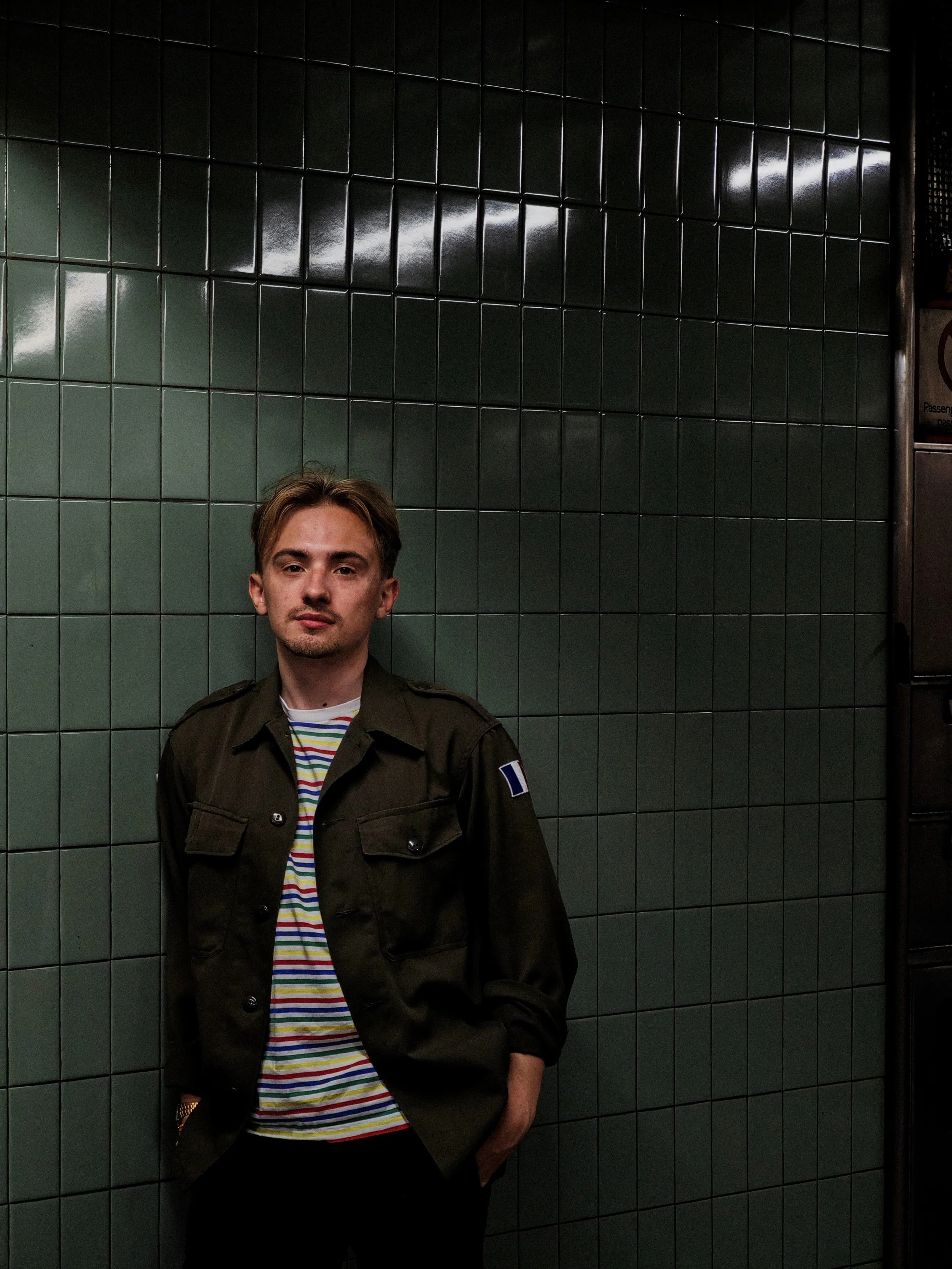
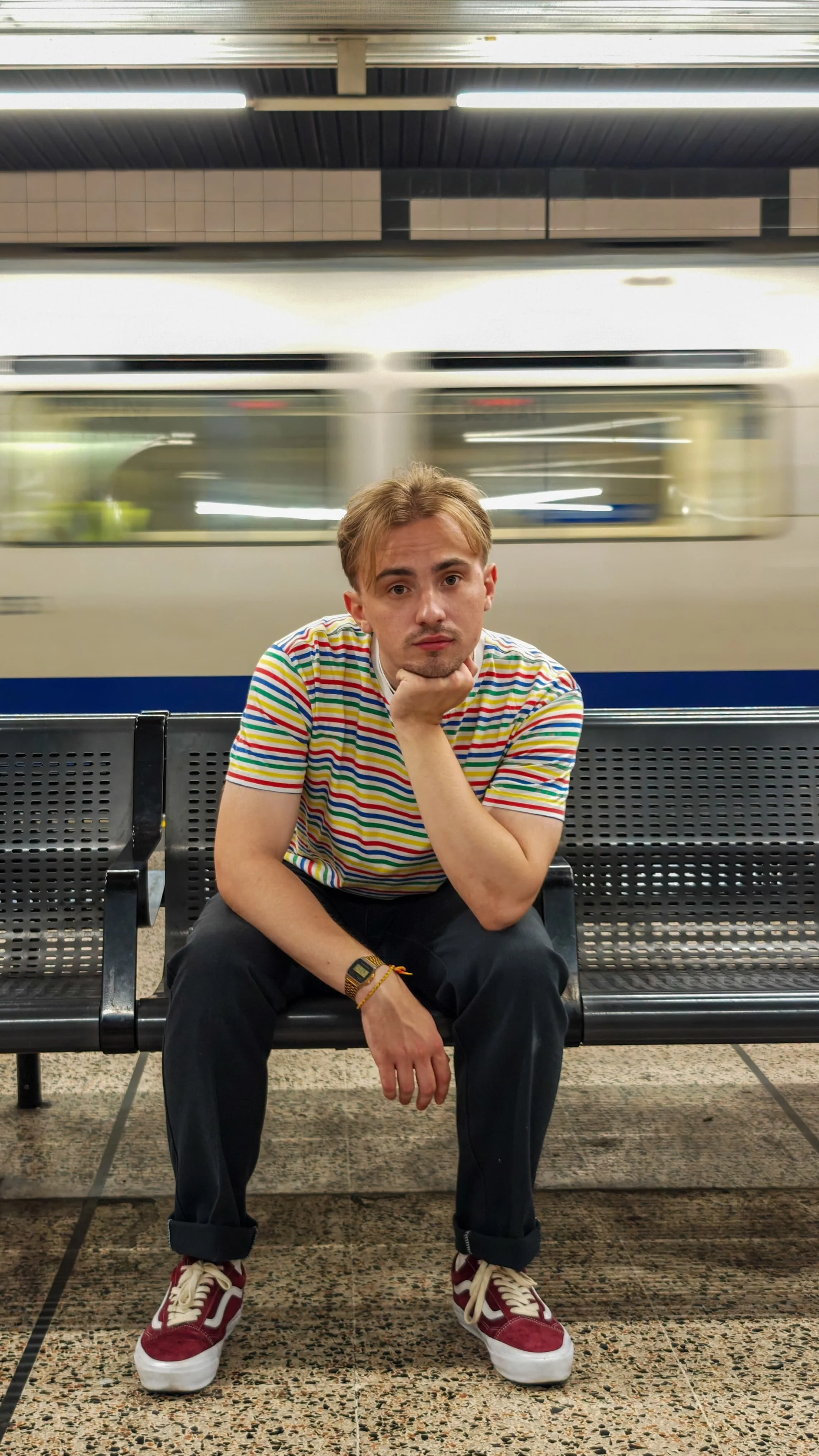
As he steps into a prolific 2026 — with multiple releases lined up across a range of diverse projects — we sit down with Hamish Tate to talk about the playful, genre-crossing energy driving his next chapter.
Leading the charge is his newly released single “Jennie”, his first offering of 2026, setting the tone for a year that promises both momentum and reinvention. Shaped by the raucous spirit of Fidlar and the sharp-edged charm of Caroline Rose, Tate’s sound carries an undercurrent of lo-fi grit reminiscent of Jack White and the rebellious pulse of The Clash. Constantly evolving yet unmistakably himself, he’s crafting a body of work that feels both unpredictable and purposeful.
How would you describe your sound to someone hearing you for the first time?
“A bit indie rocky, a bit folky. What I write is almost always influenced by what I've been listening to at the time, so my sound has been a bit all over the place in the past. I feel like this project has really made me realise what I'm good at and what direction I want to go in.”
When did this project start to feel like something substantial
“I'd always felt a strong emotion towards ‘Jennie’, but when I started to hear how others felt about it, playing it live and sharing it online, I knew it was special. It explores a lot of themes that, while I’d briefly explored in other songs, I’d never felt as sentimentally hit by.”
Which track in your current catalogue feels most like a statement of intent, and why?
“My first ever song, Parasite. It was my coming-of-age song and exposed a lot of myself that I would never do in conversation; that’s the beauty of music, though.”
What usually comes first for you: lyrics, melody, rhythm, or atmosphere?
“It depends. Sometimes I might sing something and quickly run to my guitar to work on it, sometimes I will have a clear intention of something I’d like to explore. More often, I’ll be noodling around on guitar with chords first and then fit a melody in there.”
Do you find themes returning in writing process, even unintentionally?
“Uncertainty. I’ve often doubted myself and hidden away from being exposed to failure. Only to then critique myself for doing exactly that in my songs. That’s found its way into my songs one way or another, and I’ve probably written the same song a few times doing it, although you’ll hopefully only hear the good ones.”
How has your environment—your city, scene, or isolation—shaped your sound?
“Growing up in West London meant I got exposed to a lot of music. I started as a teenager in youth music venues, and that meant being able to tell what sort of response I wanted from an audience early on. Skating introduced me to hip-hop and garage punk, which still inspires what I write. However, my writing has changed since gigging solo for so long; the main focus is almost always now on how it will sound by myself rather than with a band.”
What role does collaboration play in your creative process?
“It’s always a major role. If it’s not in the songwriting itself, it’s in the production work, the artwork, promotional videos. I love being able to work with skilled individuals of different crafts and learning from them.”
What’s something that didn’t work early on but helped define who you are now?
“Waiting for something happen. I spent a lot of time expecting opportunities to just show up and a ticket to the industry to be handed, but it’s not how it works at all. The more you work, the luckier you get.”
What does your live show offer that listeners won’t get from the recordings?
“I think I’ve gotten a lot better since recording my early songs. Hearing them live means you’re going to hear a version of the song performed ten times better than it was at the time of recording.”
What’s the most valuable lesson you’ve learned from playing shows so far?
“Most people don’t care, and that’s fine. It’s your job to win them over. I think there’s a preconceived idea that everyone must pay attention because why wouldn’t they, but the truth is, it’s your job to make something that they simply can’t ignore. And just to have the tenacity to keep going until they see you.”
Which artist, album, or moment changed how you think about making music?
“For a long time I’d record music and have a knot in my stomach the whole time listening back, thinking it was just the way it is when you hear your own work. I’ve learnt to just trust that knot in my stomach and fix it whenever I can, often leading people to call me a perfectionist. But it’s what fully makes me confident in anything I put out and stops me from going mad in the post production faze.”
How do you know when a song is finished—or do you ever?
“Once it’s been approved by external listeners. Whether that’s my girlfriend, roommate, or teacher, I’ll always play the song for them to see what the reaction is. If they’re a good friend, they’ll be honest if it’s any good.”
What do you hope people take away after spending time with your music?
“I just hope they find the joy or emotion I find in my music for themselves. If it means something to me, it might mean something to them. And if so, that’s a really special connection to have with people.”