Introducing: Elgin & The Marbles

Introducing:
Elgin and The Marbles
Glasgow indie-folk newcomers Elgin and The Marbles make a striking first impression with their debut album The Sun Never Sets, released via Last Night From Glasgow’s imprint, The LNFG Cartel.
Across twelve songs, The Sun Never Sets traces the past decade of Britain through a loose semi-concept written by frontman and journalist Callum Baird. Channelling the political turbulence of recent years, the album presents a series of vivid, character-driven narratives — delivered through songwriting that is satirical and sharp, alongside unexpectedly tender moments.
With the release of the album, we caught up with Callum to discuss the ideas behind the record, the stories woven through its songs, and the journey toward the band’s debut.

Photo Credit: Jennifer Haywood
How would you describe your sound to someone hearing you for the first time?
“Catchy indie-folk hooks with punchy protest lyrics. Something like that? I find it hard to describe our own music! It’s been fascinating to hear what other people think it is now that the songs are out there. We’ve had some great reviews so far and one called it “melodic folk with an over-riding punk spirit” which I really, really like as it captures both sides. “Bob Dylan meets Pavement” was another great quote.”
When did this project start to feel like something substantial?
“The concept came together with our second track, The British Museum, which is a five-verse short history of the British Empire, told through the lens of the curator and set to a rollicking folk-rock groove. I had the line “we’ll take all the world’s problems / and put them in the British Museum” kicking about for ages, but I couldn’t figure out what to do with it.
I then went along to the museum while on a work trip to London and took a whole bunch of notes as I walked round that later turned into the song. I remember being annoyed that one of the main exhibitions was closed for repairs so channelled that anger in there too!
Writing that song – from the perspective of the bad guy – unlocked the concept of the album and gave me a way in to tackle subjects that was more fun to write and perform.
We wrote My House next, which is sung from the POV of a buy-to-let landlord with a big property portfolio, who’s absolutely loving making loads of cash – all the while you can’t get on the housing ladder. And then it carried on from there.”
Which track in your current catalogue feels most like a statement of intent, and why?
“Stop The Boats. Writing a song with a catchy chorus that goes “I gotta stop the boats, stop the boats” felt a bit risky, but I loved the concept of singing as these British naval heroes – who actually did stop the boats – down the centuries and then along comes Rishi Sunak with his stupid, petty slogan. The song came together quickly – I was on the way up to bed one night and the first line about Sir Francis Drake came to me somehow and I managed to get it all down within 10 minutes. I’m careful not to play the song in the house in case my daughter goes into school singing it without thinking and I get an angry phone call!”
What usually comes first for you: lyrics, melody, rhythm, or atmosphere?
“It’s almost always a single line with a melody that comes together at the same time. Then the song slowly spreads out from there, adding verses and choruses. Once I have all the melodies locked down, I spend a lot of time rewriting the lyrics, sometimes for months, until I’m happy with them.”
Do you find themes returning in writing process, even unintentionally?
“I’m a journalist and editor – so news, politics, current affairs have always been there. I like throwing in quirky obscure references to things that we write about. The Treasury’s In Love, for example, is a Johnny Cash-style country ballad about how the Chancellor fell in love with austerity at The Spectator’s Garden Party. One of the choruses features the IFS (Institute for Fiscal Studies) and there are references to a Westminster bar called Strangers, on the Thames, that most of the public probably don’t know about but was eye-opening to visit.”
What role does collaboration play in your creative process?
“I write all the songs myself and they’re pretty much fully formed and locked in by the time we get to the studio. At that point, there are a lot of fun conversations about where we take them arrangement-wise, but the songs are already the songs.
With my producer Paul – from 45-A Side studio in Glasgow – we did take some things in slightly different directions that how I’d first envisaged them. The coda in The Treasury’s In Love was in my original demo a slow, stark thing – but it ended up being a sweeping crescendo that fades out over two minutes, with something like 20 voices and strings and guitars and drums. That was our drummer Chris’s idea and it works so much better.
And I also love the last chorus of If Elvis Faked His Death where the two lead vocal parts fight each other with one of them sounding like it’s playing on an old wireless radio (on my demo they followed each other). That was Paul’s idea and it’s possibly my favourite 15 seconds on the whole record.”
What’s something that didn’t work early on but helped define who you are now?
“I went through a period of singing and writing with my Scottish accent when I was a bit younger. I still like some of the songs, but looking back now I think it paradoxically sounds more inauthentic than the slightly more Americana voice on this record – which is what comes out naturally when I don’t think about it too much.”
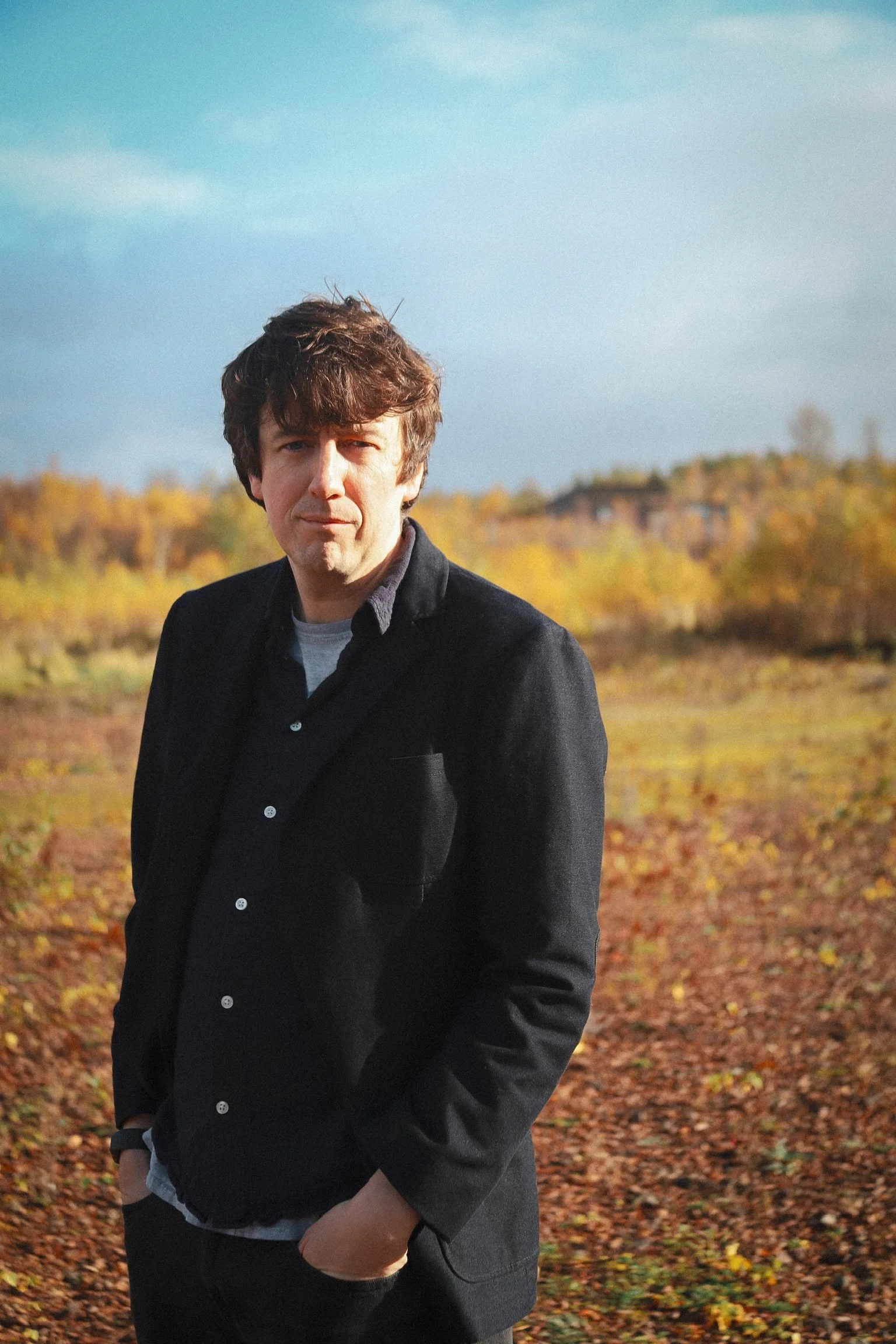
Photo Credit: Jennifer Haywood
What does your live show offer that listeners won’t get from the recordings?
“A more stripped back, raw take on the songs. The album is done mostly with a full band but when playing live it’s just me, the guitar and harmonica – mostly for practical reasons.”
Which artist, album, or moment changed how you think about making music?
“In the 2000s, I used to listen to almost exclusively older stuff – Bob Dylan, Neil Young, The Band, Bruce Springsteen – all those classic American songwriters. I wasn’t really into more current bands. But I heard I’m Wide Awake It’s Morning by Bright Eyes. There’s a line in the first song At The Bottom of Everything: “we must talk in every telephone / get eaten off the web”. I was like, wow – you can write clever lyrics about the modern world and still have it really fit perfectly with that classic Americana sound. And that’s what I try to do now.”
What do you hope people take away after spending time with your music?
“I hope they have a good time! That the words resonate with them, and they have fun listening.”

Elgin and The Marbles - The Sun Never Sets is available available now on LP & DL via The LNFG Cartel.